
1. To dry your clothes
The sun has gone to a lot of trouble to send us its energy, so appreciate it! The heat and light on your face was on the surface of the sun eight minutes and nineteen seconds ago. So at a minimum, use it to dry your clothes. The average electric dryer is a massive energy hog, accounting for two per cent of total energy consumption in the United States. Although new energy consumption guidelines have been introduced in Canada and the United States, drying your clothes in the sun is still the most energy efficient method. Since the sun is a giant nuclear reactor, you can brag to your friends that you have a nuclear-powered clothes dryer.
—
2. To grow your food
Take away the sun, and what can you grow? With just soil and sunlight you can grow tomatoes, peppers, apples, raspberries, salad greens, and more. Building a solar greenhouse allows you to extend your growing season into the winter while protecting your crops in the summer and increasing your crop yields by protecting your plants from soil and water borne disease. The many different types of greenhouses mean that they’re useable in almost any climate, from locations with minimal sunlight like the Yukon to places with hot climates like India.
—
3. To heat your water
Over 90 per cent of Israeli households have installed solar water heaters, and more than 600,000 m2 of solar water collectors have been installed in Canada. You can use evacuated tubes or a flat plate to gather the sun’s heat. For an investment under $10,000, these mechanisms can provide 80 to 50 per cent of your hot water needs. There are grants available to help in many provinces.
—
4. To treat your water
If you live in a country where your local water supply is unsafe, you can use the sun to disinfect water by filtering muddy water, filling plastic pop bottles and leaving them out in the sun for at least six hours. The sun’s ultraviolet rays will kill any bacteria or organisms, and can reduce diarrheal diseases from taking hold. If you live by the sea, solar PV can be used to power a desalination plant.
—
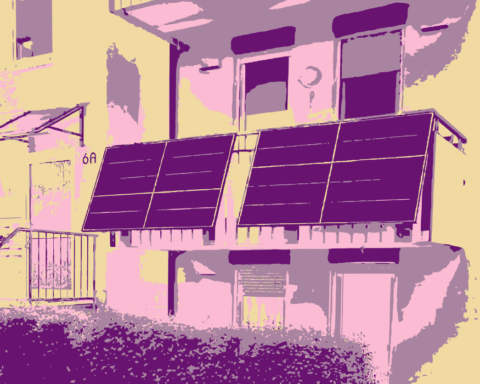
5. To generate your electricity
It won’t be long before most roofs are covered with solar panels. Thirty years ago, solar photovoltaics (PV) cost $100 a watt; today the average cost of an installed PV system is $3.48 a watt. A five-kilowatt system, generating 5,500 kwh a year, will cost $40,000 across Canada, except in Ontario, where the Green Energy Act provides generous incentives. When the per-watt cost falls to $1, we’ll see solar PV everywhere.
—
6. To power your car
Imagine driving, powered only by the sun. Driving the new Nissan Leaf EV 16,000 kilometres a year, for instance, will use 2,000 kWh of electricity. A two-kilowatt PV system on your roof will generate 2,200 kWh a year, and cost you $16,000. On a 20-year mortgage, that’s $25 a week, or $3.50 a day—and once you’ve paid for the solar panel, the energy is free.
—
7. To design your home
When an architect designs a passive solar home, they make the most of the sun’s light and heat by using south facing windows, maximizing insulation on the north, and creating a thermal mass to store solar heat. These steps can reduce heating needs by 50 per cent. The architect also works to maximize the sun’s natural light, reducing the need for artificial lighting. And if building your own house isn’t an option, it is possible to retrofit your house to use the sun’s energy more efficiently. This can involve installing more energy efficient windows and shading any south facing windows.
—
8. To heat your home
Solar thermal energy heats 52 homes in the Drake Landing Solar Community in Okotoks, Alberta, even in the dark and cold of winter. Eight hundred solar hot water panels gather sunlight on garage roofs and store the excess energy underground. In winter, it is pumped back, meeting over 90 per cent of the community’s heating needs. In Europe, the solar thermal industry aims to heat 50 per cent of all buildings using a similar approach by 2030.
—
9. To cook your food
There are various kinds of solar cookers: some use a reflective solar box, others a parabolic disc. In developing nations, solar cooking lifts the burden of walking miles to strip trees for firewood, reduces the amount of work for women and decreases respiratory diseases caused by cooking inside. Solar cookers work in Canada (link) too, even in the winter, as long as the sun is shining. You can also make your own solar dryer to preserve the fruit and veg in your garden.
—
10. To power the world
Every day, the sun radiates a thousand times more heat onto the world’s deserts than we use. Solar technology can convert that energy into steam, and then electricity. We could meet the entire world’s energy needs by using just one per cent of total landmass for solar energy.